For schools and counselors
Your own workspace for your own students. You decide who you work with, and you never have to work with a community organization.
For a high school, a charter network or a district counseling office. One flat price a year.
Sign up
Hold a founding place as a school or district counseling office
Fill this in once. Your price and the founding deposit are shown in the summary at the end, before you pay anything.
A counselor at Mission Creek High
Your counseling office, on its own terms
01Your students, nobody else's
A school is its own organization here. Nobody outside your school can see your caseload. Another organization reaches your staff only if you accept its request.
02Families hear from you
Write to a student or a parent. A parent reads along on their own student's progress.
03Colleges ask, you decide
A university can ask to partner with your school. Say no and nothing changes.
04Requests come to you first
A request goes to your school first. A university asks for an introduction and says why.
- You
Reminder for juniors: transcript requests are due Friday.
- Mr. Quintero, parent
Thank you. Marisol finished hers last night.
- Northfield University
Partnership accepted by you. A shared staff channel is open.
- Northfield University
We would like to invite one of your students to a preview day. Reason: nursing preview day.
See it working
A counseling office, on its own
Your students, their tasks and their families in one workspace that no other organization can see into.
Recorded in the demo workspace. Every person and organization shown is fictional.
If you use Slate today
Slate.org tells you what happened after a student applied. This is your office's daily workspace before and around that.
Slate.org, the free counselor side of Slate
What Slate does
- See application progress and admission decisions for students who applied to participating colleges
- Upload materials for those students
- Build lists of students, applications and colleges
- Colleges choose which information they share
CBOs of America
What you get here on top
- A caseload with tasks, notes and last contact for every student, including the ones who have not applied anywhere yet
- Messages with students and parents, and staff channels that can be archived, searched and handed over
- One calendar of fly-ins, visits, scholarships and deadlines, matched to the students they fit
- Introduction requests from universities, one at a time, each with its reason
- Packets: what each student still needs for a program, checked off as it arrives
- A map and directory of colleges and education nonprofits across the country
We do not show application status or admission decisions. Slate.org does, for colleges that share them.
What Slate does is taken from Technolutions' own public documentation, read in October 2026. Slate and Slate.org are products of Technolutions, which is not connected to CBOs of America.
A school is not a CBO
Two different kinds of organization
Community organization
An independent nonprofit that students choose to join. It helps them get to college outside the school day. Its advisors work for the nonprofit, not for a school.
School
The place a student is enrolled: a high school, a charter network or a district counseling office. Its counselors work for the school and serve every student enrolled there.
| Community organization | School | |
|---|---|---|
| Who it is | An independent nonprofit, such as a college access program. | A high school, charter network or district counseling office. |
| How students arrive | They apply or sign up by choice. | They are enrolled there. |
| Who the staff work for | The nonprofit. Often called advisors or coaches. | The school or district. School counselors. |
| Records | Keeps its own student records. A school cannot read them. | Keeps its own student records. A CBO cannot read them. |
| Working together | Can work with universities, and with a school when both agree. A partnership never shares student records. | Can work with universities. Can partner with a CBO if it chooses to, and never has to. |
| Cost | 500 USD a year. | 1,500 USD a year. |
How a school takes part
On its own terms
A school is its own organization here, with its own staff and its own students. It does not join through a community organization and it does not need one.
A community organization cannot see your students. Universities, community organizations and counselors can contact your team directly, and you can contact them. A message opens a channel between the two teams and nothing about your students.
What counselors get
Built for a counseling office
- A caseload
- Your students in one list, with what each one has done and what is still open.
- Tasks
- Assign a task to a student or a group and see when it is finished.
- Channels
- Talk with your own team inside the workspace.
- Messages
- Write to a student or a parent directly. Parents can read along on their student's progress.
What stays protected
The same rules apply to schools
A school sees its own students and no one else's. A student who is also in a community program has two separate records, and neither side can read the other.
A university asks your school for an introduction, and says why. A request goes to the student's organization first.
Students under 13 cannot have an account. We never ask for FAFSA, tax or aid documents.
Cost
One flat price a year
A school pays one flat price a year for the whole counseling office. There is no fee per counselor or per student. You see the price at the end of the signup form, before you pay anything.
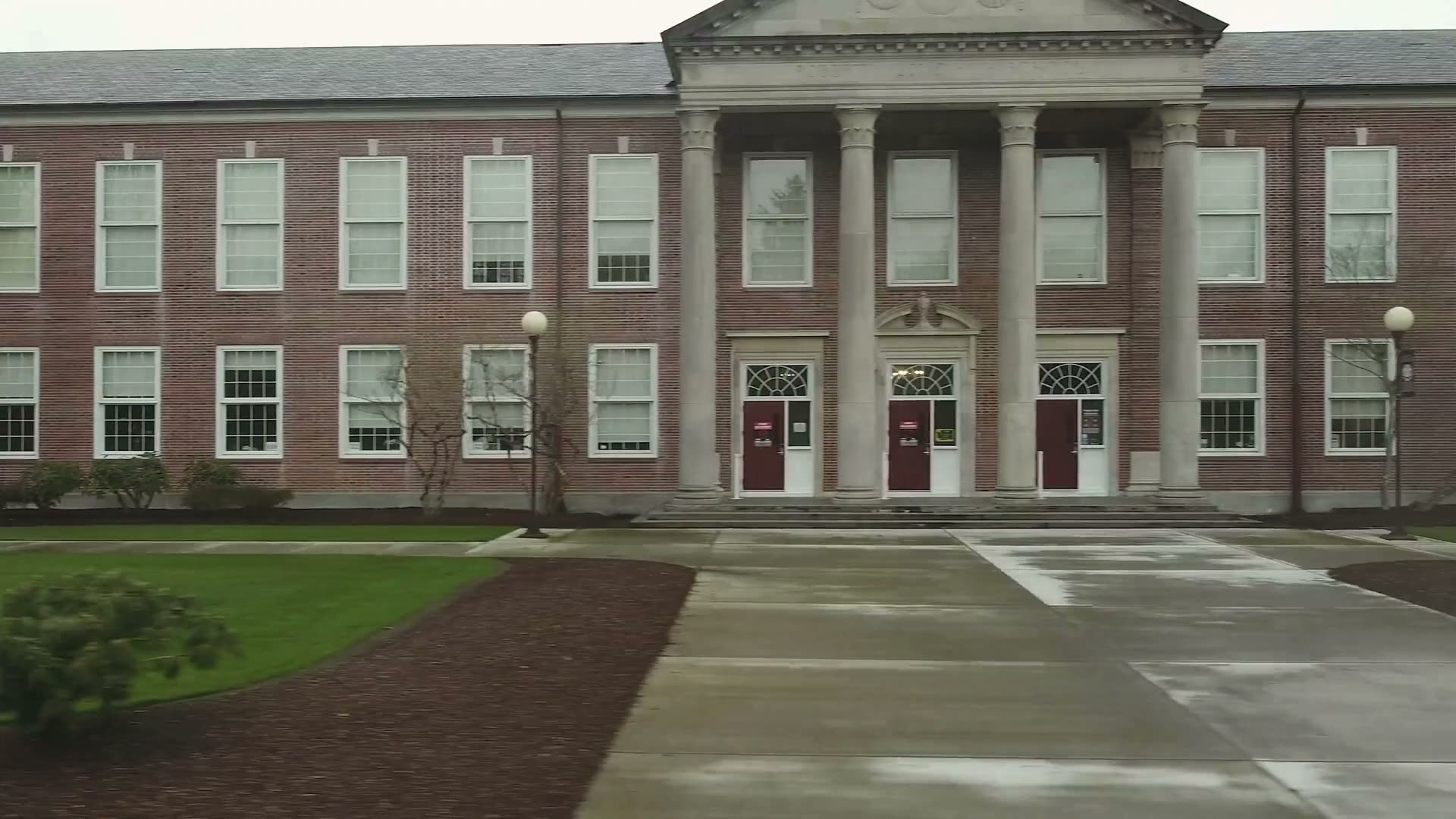
Hold a founding place for your counseling office.
In the demo you can sign in as a school counselor at a fictional high school.